
People and Places of the Past and Present
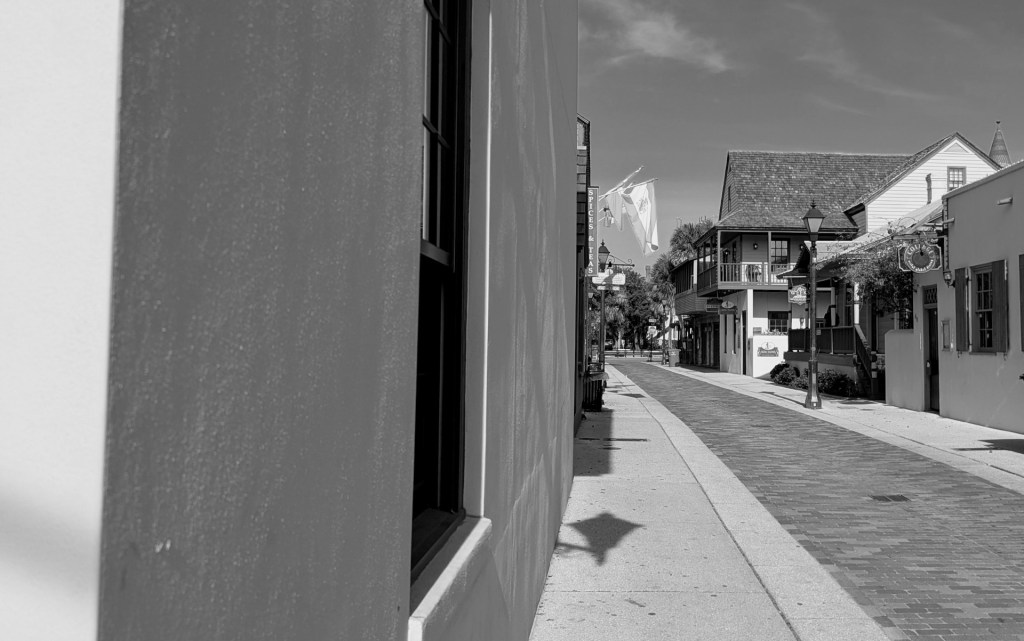
Wandering the streets of St. Augustine is like stepping into a living postcard where time folds in on itself and history dances with the present. It’s not just America’s oldest city—it’s a place where the past breathes, where every coquina stone and moss-draped oak tells a story you can feel, hear, and smell as much as see.
Nestled along Florida’s northeastern coast lies a city that seems to exist in two worlds—one rooted in centuries-old cobblestone streets and colonial charm, the other basking in the vibrancy of a thriving coastal community. St. Augustine, the oldest continuously inhabited European-established settlement in the continental United States, holds a singular allure that draws visitors, history lovers, artists, and new residents alike. There’s a quiet magic to St. Augustine that you don’t fully understand until you experience it. It’s not just the architecture or the centuries of history—it’s the feeling that time moves differently here. There’s something deeply grounding about St. Augustine’s energy. Maybe it’s the echo of footsteps on centuries-old cobblestone, or the faint salt breeze rolling in from Matanzas Bay, carrying whispers of Spanish explorers, pirates, and poets. The charm of the city is not just in its well-preserved buildings or its historic landmarks—though those are impressive—it’s in the intangible sense that here, Life slows down and deepens. Stories linger. And everything seems to carry a little more meaning.
St. Augustine’s historical significance is not just a footnote in textbooks; it’s the very foundation upon which the city stands. Founded in 1565 by Spanish explorer Pedro Menéndez de Avilés, it predates the Jamestown settlement in Virginia by more than four decades and Plymouth Rock by over half a century. Walking through St. Augustine is to walk through the pages of history. The Spanish influence lingers not just in the city’s architecture, but in its soul—infusing everything from food to festivals with a unique cultural vibrancy.
As America’s oldest city, St. Augustine holds centuries of memories in its streets. The coquina walls, the Spanish balconies, and the worn cobblestones aren’t just relics—they’re the real storytellers. Walk through the Historic District, and you’ll feel it: the past gently brushing shoulders with the present. The Castillo de San Marcos stands proud by the bay, not only as a monument to history but as a quiet guardian of the town’s soul.
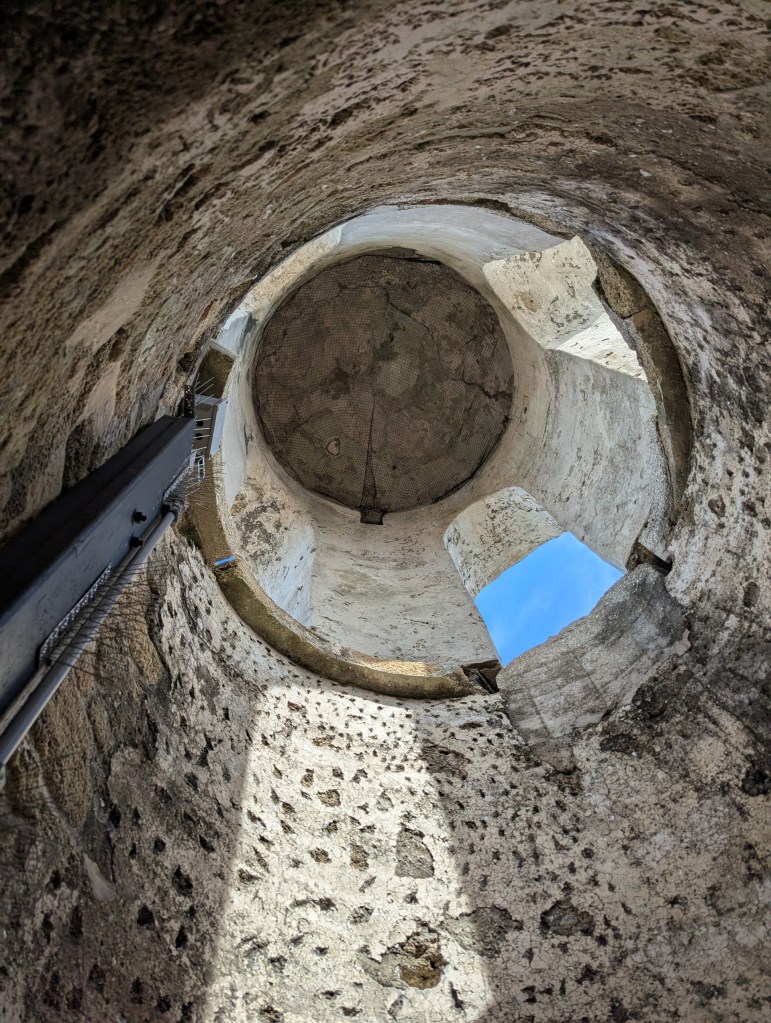
At the heart of the city’s charm is its physical landscape, beautifully preserved and lovingly restored. Narrow, winding streets are lined with centuries-old buildings, many of which now house cafes, art galleries, boutiques, and museums. Horse-drawn carriages clatter along the brick-paved streets, transporting tourists past ancient stone walls and wrought-iron balconies draped in flowering vines. The Castillo de San Marcos, a 17th-century fortress built by the Spanish to defend the coast, looms protectively over the Matanzas Bay, its coquina walls having withstood centuries of conflict, hurricanes, and change.
(Photo: Castillo De San Marco.)
St. Augustine is not simply a city preserved in amber. It breathes, evolves, and pulses with life. The locals, fiercely proud of their town’s legacy, are also committed to its future. There’s a sense of stewardship here—a recognition that the past is not something to be forgotten or merely showcased, but something to be lived alongside. Preservation societies, historians, artisans, and everyday citizens come together to ensure that growth and development enhance rather than erase the city’s historic character.
But what truly sets St. Augustine apart isn’t just its history—it’s its soul. There’s a warmth in the community, a kind of Southern hospitality with a coastal twist, a welcoming spirit woven into every part of the city. Shopkeepers wave from porches and artists paint in alleyways. Music spill from the thresholds of eateries, breweries and cafes that dot the landscape downtown. The smell of fresh pastries from a nearby café mingles with the salt air rolling in from the Matanzas River, and sunsets over the Castillo feel less like daily events and more like rituals shared between neighbors and the sea. Art and history intertwine effortlessly in St. Augustine. The galleries, the hidden courtyards blooming with color, the Spanish architecture—none of it feels manufactured. It’s authentic, lived-in, loved. Even the ghosts, whether literal or figurative, seem to have chosen to stay not out
This delicate balance between old and new gives St. Augustine its singular identity. Art and culture thrive in this atmosphere. The city’s many art walks, live music venues, and festivals are not an afterthought but an integral part of its daily rhythm. Events like the Nights of Lights, when the city is blanketed in millions of tiny white lights for the holidays, transform St. Augustine into a living postcard and attract visitors from across the world. Likewise, the annual reenactments, such as the Founder’s Day celebration and colonial military drills, offer immersive glimpses into the city’s layered past.
Yet, St. Augustine’s appeal goes far beyond its historical significance and aesthetic charm. There’s an intangible warmth that permeates the city—an openness and authenticity that makes newcomers feel like they’ve found a long-lost home. Locals greet each other with familiarity, and small talk often turns into genuine conversation. Independent businesses flourish here, nurtured by a community that values craftsmanship and connection over convenience and speed.
The natural beauty of the area enhances its charm, offering a tranquil contrast to the bustling streets of the historic district. Just minutes away from the heart of the city lie wide, sandy beaches and marshy estuaries teeming with wildlife. The Matanzas River provides a serene backdrop for paddleboarding, boating, or simply watching the dolphins that often play in its calm waters. Sunset here is not just a time of day—it’s a communal event, where residents and visitors gather along the bayfront to watch the sky burn orange and purple over the water.
For those who call it home, St. Augustine offers a lifestyle that feels increasingly rare in today’s fast-paced world. There’s a slower, more intentional rhythm to life here. Mornings might begin with a walk through the historic streets or a coffee on a porch overlooking the Intracoastal Waterway. Afternoons could be spent browsing an antique bookstore, attending a lecture at Flagler College, or strolling through the shaded gardens of the Lightner Museum. Evenings are for concerts at the amphitheater, impromptu gatherings at a local wine bar, or simply watching the moon rise over the ocean.
Perhaps what is most enchanting about St. Augustine is its ability to make the past feel alive and relevant. It is a place where you can touch the stones that housed conquistadors and revolutionaries, where you can dine in a building that has stood since the 1700s, and where every turn of a corner offers a story waiting to be discovered. In St. Augustine, history is not just remembered—it is lived, felt, and shared.
The city’s allure is not bound by era or demographic. It calls to retirees seeking peace and beauty, to young families drawn to strong schools and safe neighborhoods, to artists and entrepreneurs looking for inspiration. It’s a city where tradition and innovation coexist, where heritage is honored without becoming a museum piece.
More than a destination, St. Augustine feels like a conversation—with the past, with the sea, with yourself. It invites you to wander, to reflect, and to stay awhile.
Because here, history isn’t something you visit—it’s something you find yourself immersed in. And that will stay with you, long after you leave. To breathe a little slower. To remember that life is richer when it’s steeped in story, in texture, in the beauty of what endures. In a world where so many places chase after modernity and homogenization, St. Augustine stands apart. It is a city of soul and character, of resilience and grace. Whether you come for a weekend or a lifetime, it has a way of capturing your heart and staying with you. The past may be its cornerstone, but it’s the spirit of the people and the poetry of the place that make historic St. Augustine truly timeless. And that makes it priceless.
Welcome home. As always, shoes optional.
Ready to make your move? I can help!

 St. Augustine In Focus
Leave a comment